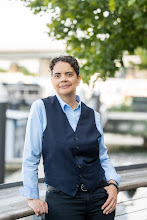
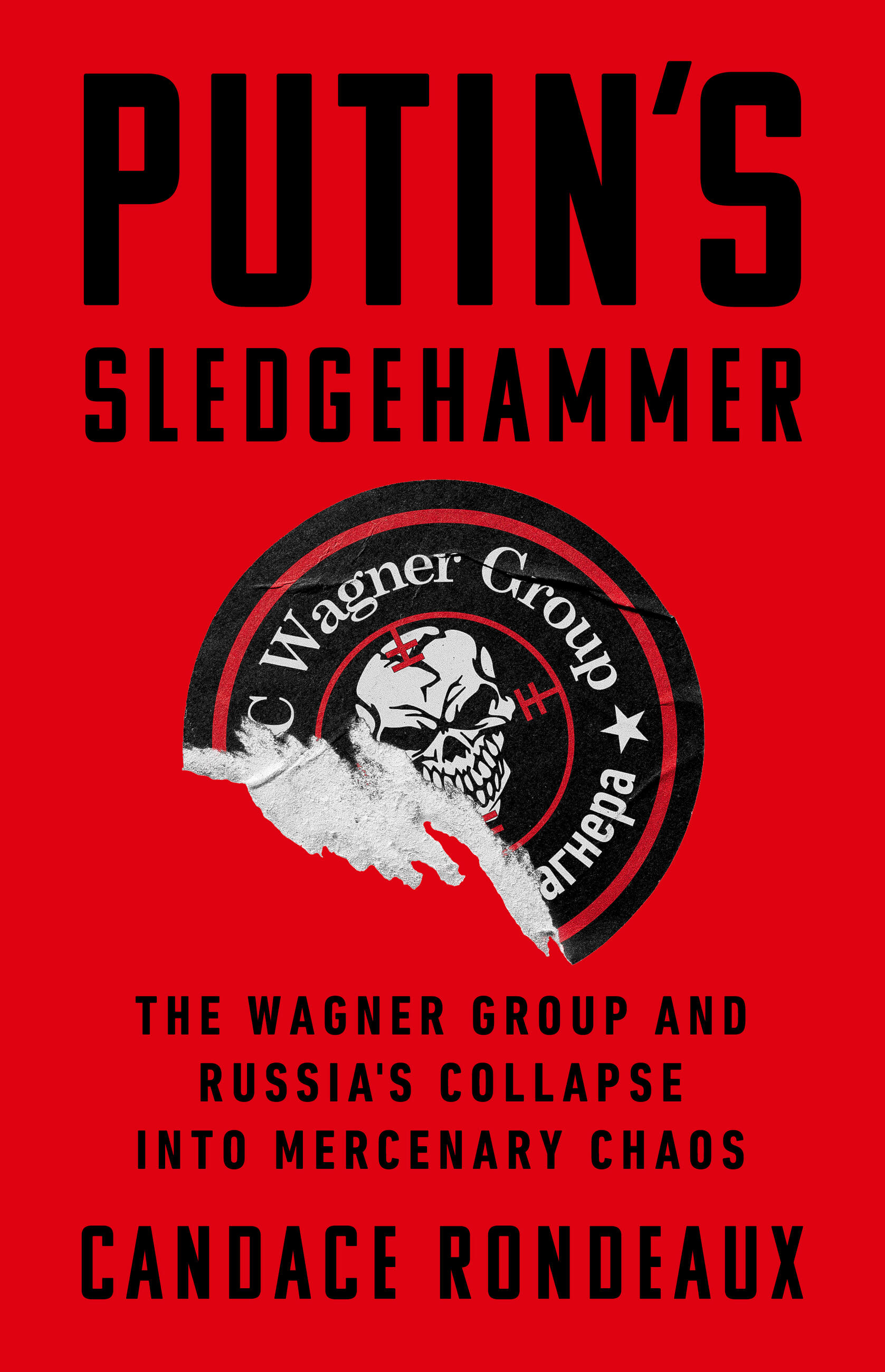
Candace Rondeaux is a geopolitical risk analyst, investigative journalist, and the author of Putin's Sledgehammer: The Wagner Group and Russia's Collapse into Mercenary Chaos (PublicAffairs, 2025). She is also co-editor of Understanding the New Proxy Wars (Hurst-Oxford University Press, 2022).
Rondeaux is a Professor of Practice at Arizona State University, where she teaches courses in proxy warfare and open-source intelligence and she is a faculty affiliate of the Future Security Initiative and the Melikian Center for Russian, Eurasian and East European Studies. She writes a regular column for World Politics Review on international security and the geopolitics of energy, emerging technology and industrial transformation. She specializes in mapping how power operates across formal institutions and informal networks, from irregular warfare and sanctions evasion to global digital, financial, and industrial infrastructure.
An award-winning journalist, she served as the Afghanistan and Pakistan Bureau Chief for the Washington Post, where she was part of the Pulitzer Prize-winning team that covered the 2007 Virginia Tech massacre. Her reporting career began on the crime and courts beat — she reported from Ground Zero after the September 11 attacks for the New York Daily News and chronicled the aftermath of Hurricane Katrina for the St. Petersburg Times. Her analysis and commentary have appeared in the Post, Financial Times, New York Times, Wall Street Journal, BBC World, Times Radio, The Daily Beast, Foreign Policy, Foreign Affairs, Lawfare, Small Wars Journal, and Just Security.
Before founding Frontline Atlas, she served as Senior Director for the Future Frontlines and Planetary Politics programs at New America, where she built flagship research programs at the intersection of irregular warfare, political violence, and geostrategic competition, and directed cross-disciplinary work on the geopolitics of decarbonization, digitalization, and the governance challenges posed by rapid technological change in a multipolar world. Earlier, she served as a Senior Program Officer at the U.S. Institute of Peace, where she led the RESOLVE Network, a global research consortium on countering violent extremism. As a Senior Analyst for the International Crisis Group based in Afghanistan and a Strategic Adviser to the Special Inspector General for Afghanistan Reconstruction, she produced analysis on national elections, judicial reform, and the security sector.
She has testified before Congress, provided expert advice to NATO, the UN, ICC and commissions on conflict, the protection of civilians, transnational organized crime, and irregular warfare. She has documented political violence and crises in hotspots around the world, including Afghanistan, Azerbaijan, Bangladesh, Georgia, Pakistan, and Ukraine.
She holds a B.A. in Russian Area Studies from Sarah Lawrence College, an M.A. in Journalism from NYU, and an M.P.P./M.P.A. from Princeton University.
Congressional testimony
Multiple appearances
Pulitzer Prize team
Washington Post, 2007
Education
M.P.P./M.P.A., Princeton · M.A. Journalism, NYU · B.A. Russian Studies, Sarah Lawrence
Academic appointment
Professor of Practice, ASU Future Security Initiative
Field reporting
Afghanistan · Pakistan · Ukraine · Azerbaijan · Bangladesh · Georgia
FTWashington PostNYTWSJForeign PolicyForeign AffairsTIMELawfareBBC World
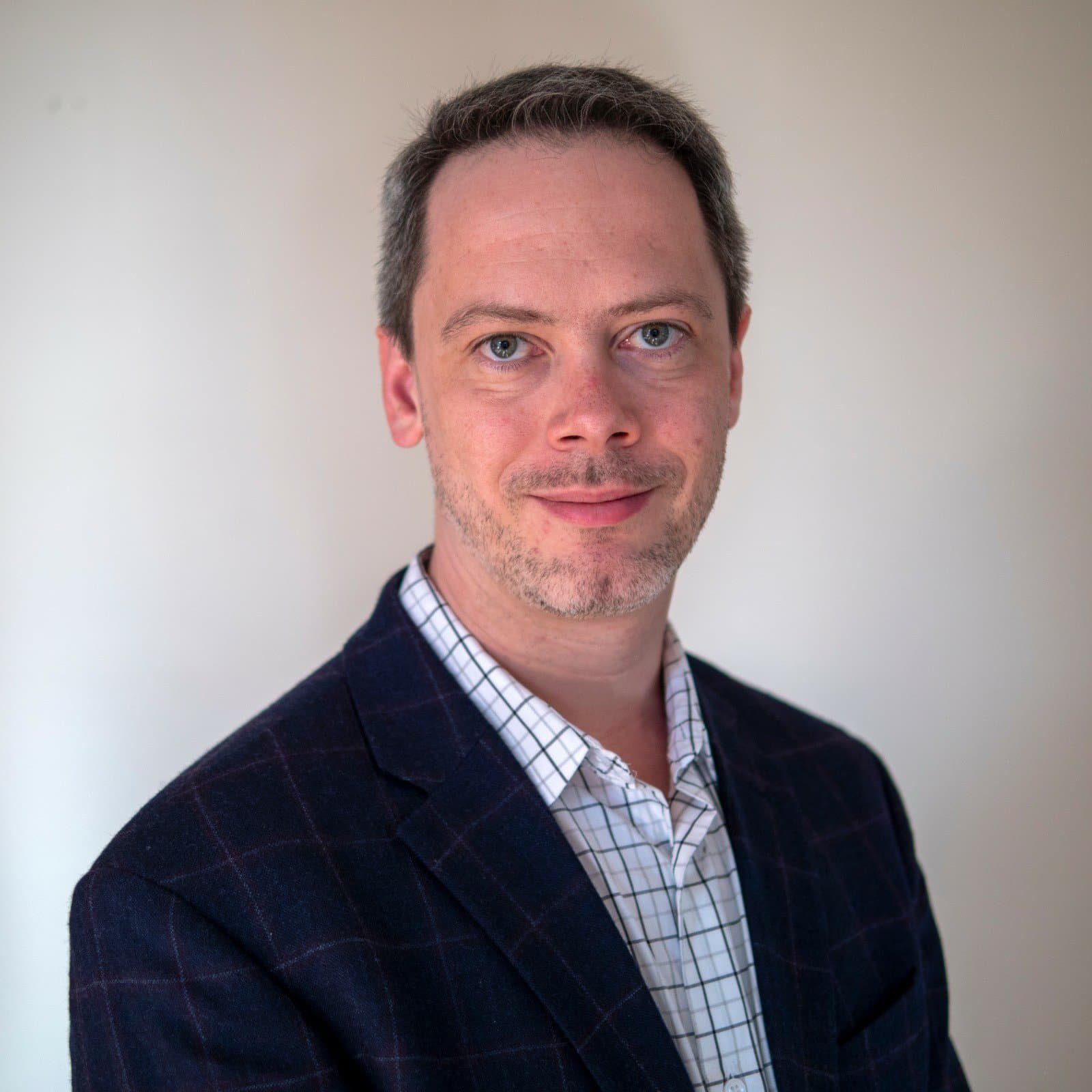
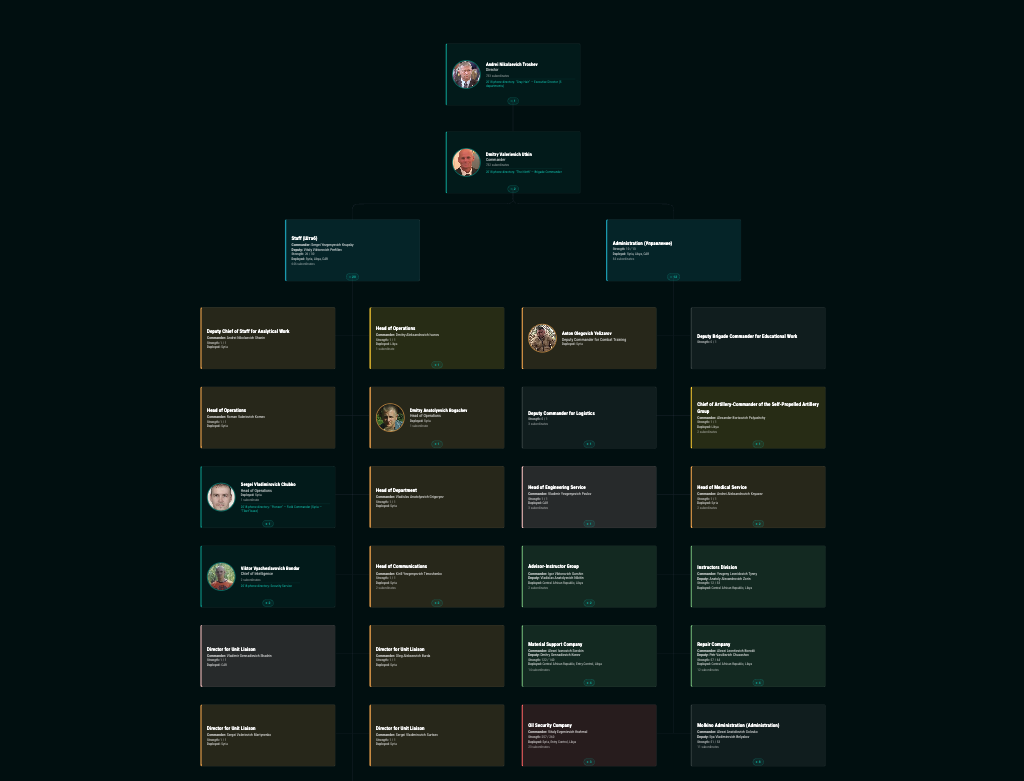
Ben Dalton is a journalist, researcher, and developer specializing in open-source intelligence, data visualization, and conflict accountability. As Program Manager of the Future Frontlines program at New America, he managed a team of international researchers and data scientists investigating Russian irregular warfare operations. He conceived and led development of the Wagner Group personnel dataset — the largest ever assembled at the time — a 13,000-record database documenting the command structure and deployment patterns of state-backed Russian irregulars, with findings presented to the International Criminal Court, Eurojust, and NATO.
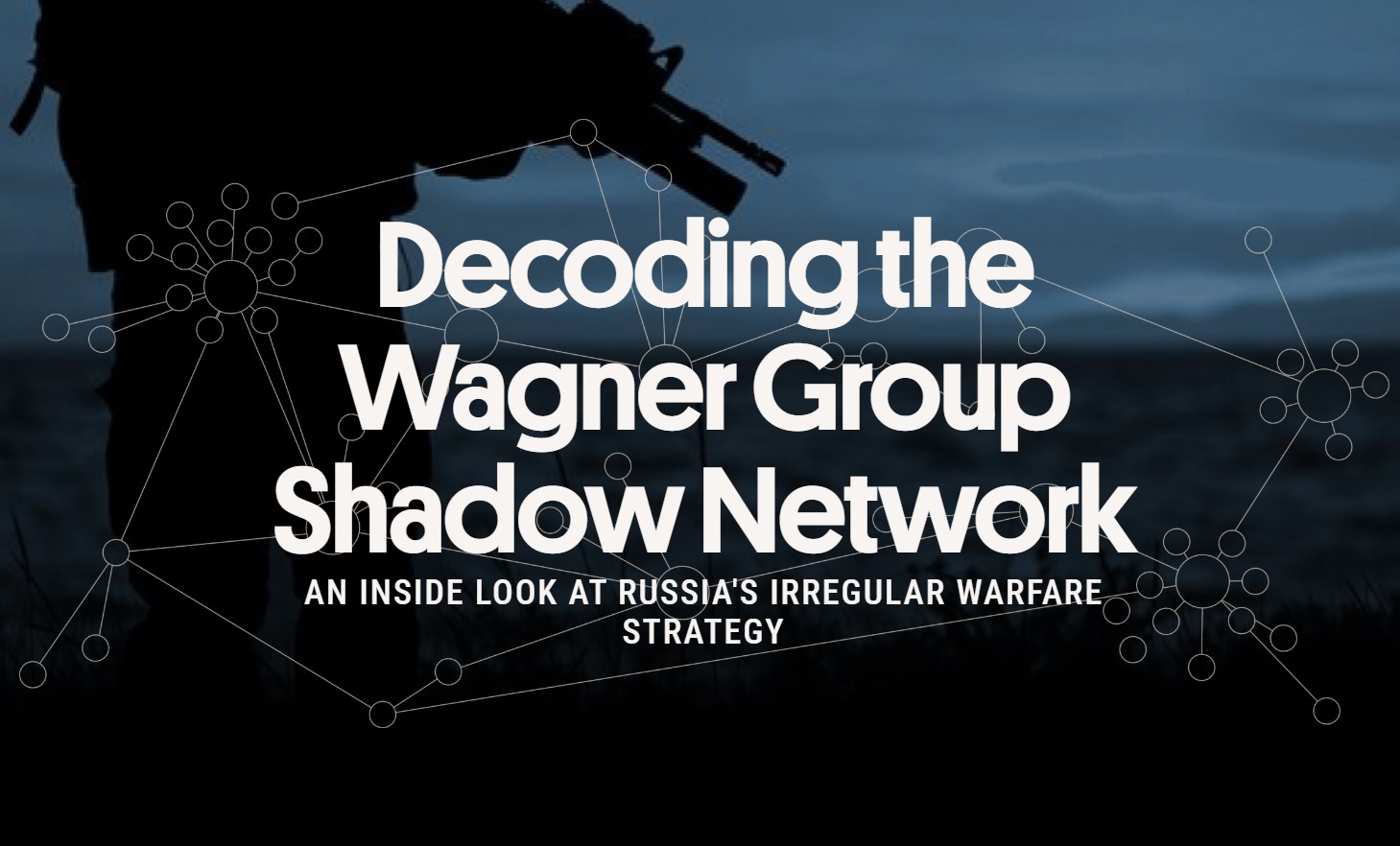
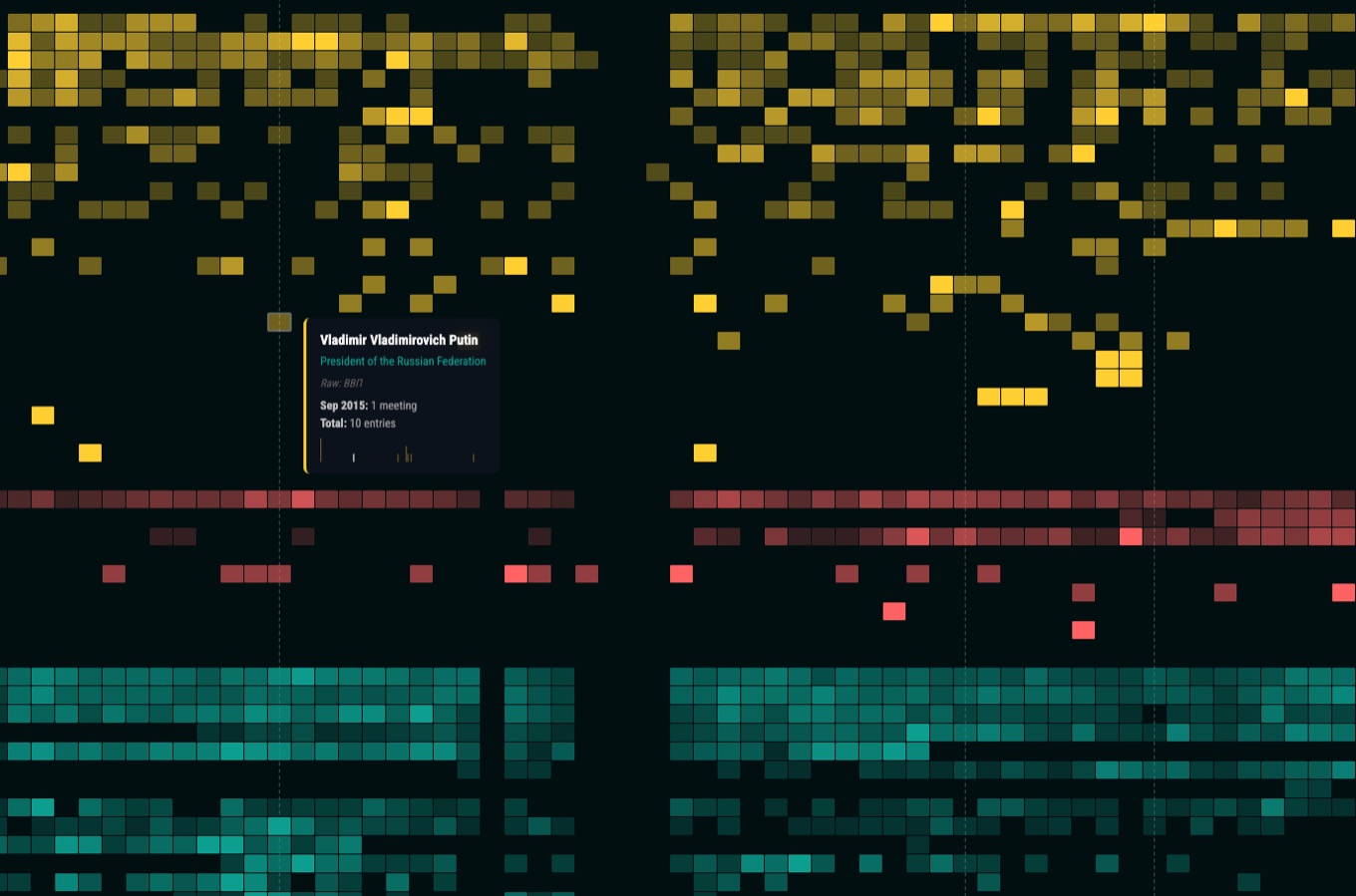
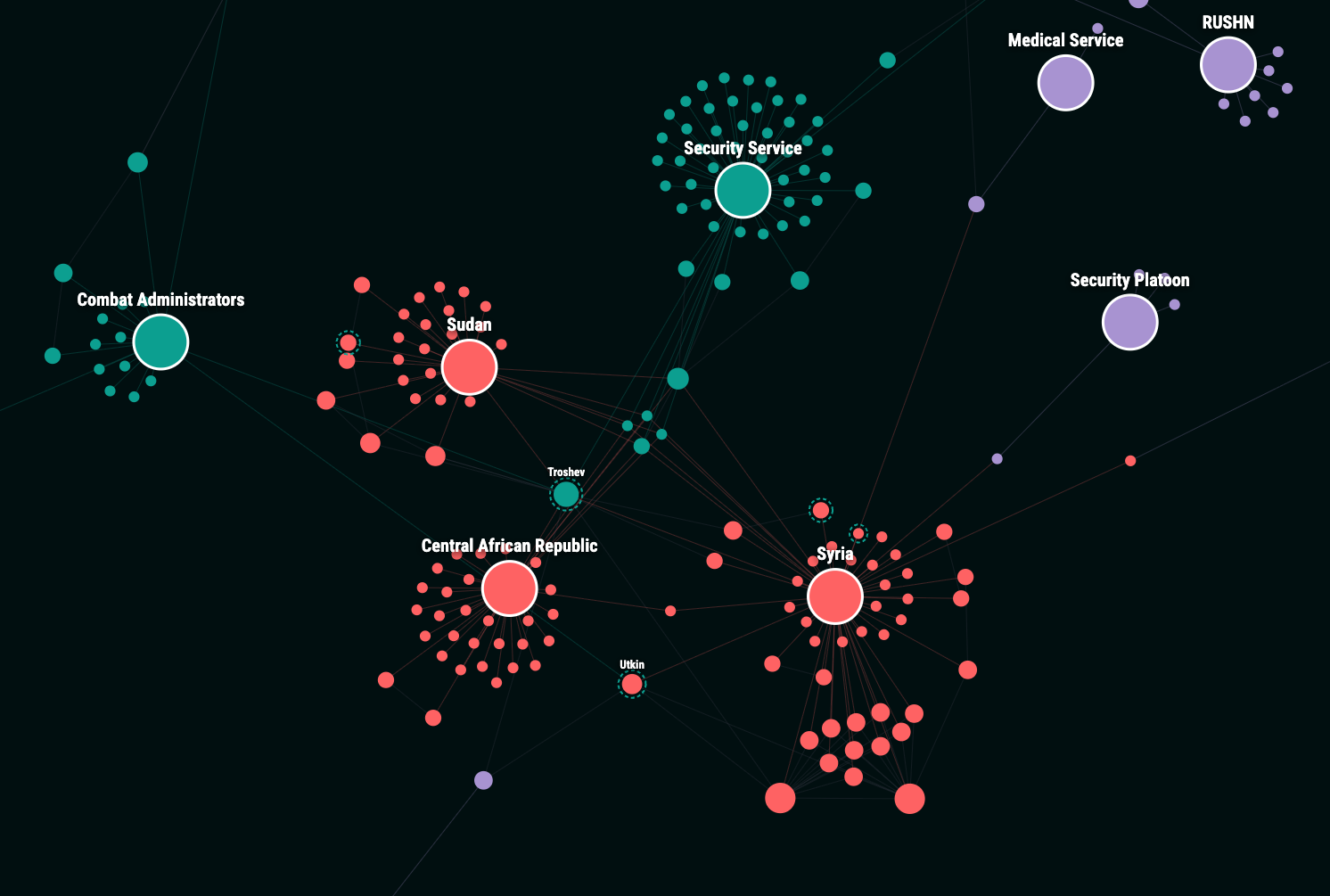
His analytical work spans Russian sanctions evasion through blockchain forensics, network visualizations of Wagner's leaked 2018 phone directory spanning 500 entities across 28 departments, and a near-decade reconstruction of Yevgeny Prigozhin's daily schedule from 18,000 calendar entries. He also investigated alt-tech platforms' role in the January 6 Capitol attack, authoring research on the alternative financing networks supporting extremist movements. He has authored or co-authored over a dozen major research reports and policy briefs on Russian irregular warfare, alternative technology platforms, and political violence.
He is Director of Digital Platforms at the Oxus Society for Central Asian Affairs, where he designs and builds the organization's websites, interactive visualizations, and research databases covering the region's security landscape. Previously, he served as Communications & IT Officer at the International Crisis Group, where he produced field reporting from Libya, Turkey, Kenya, and Georgia. His journalism has appeared in The New York Times, PBS NewsHour, Al Jazeera, Slate, The Daily Beast, The Globe and Mail, and CNN. As a media producer, he created the Bernie Sanders 2020 campaign podcast Hear the Bern, which achieved 2.5 million downloads.
He has reported from frontline Ukraine, Georgia, Libya, Cambodia, Kazakhstan, and Kenya. He holds advanced OSINT certification from the Berkeley Human Rights Center and combines field journalism with technical expertise in D3.js, Leaflet, Python, and JavaScript.
Presented to
ICC · Eurojust · NATO
Education
Dual M.A. Journalism & Russian Studies, NYU · B.A. International Relations, Brown (magna cum laude, Phi Beta Kappa)
Field reporting
Ukraine · Georgia · Libya · Cambodia · Kazakhstan · Kenya
OSINT certification
Berkeley Human Rights Center, The Hague
Media production
PBS NewsHour · NYT · 2.5M podcast downloads
NYTPBS NewsHourAl JazeeraSlateDaily BeastCNNGlobe and Mail